


-

Add: HeBei ShengShi HongBang Cellulose Technology CO.,LTD.
-

Email
13180486930@163.com -

CONTACT US
+86 13180486930


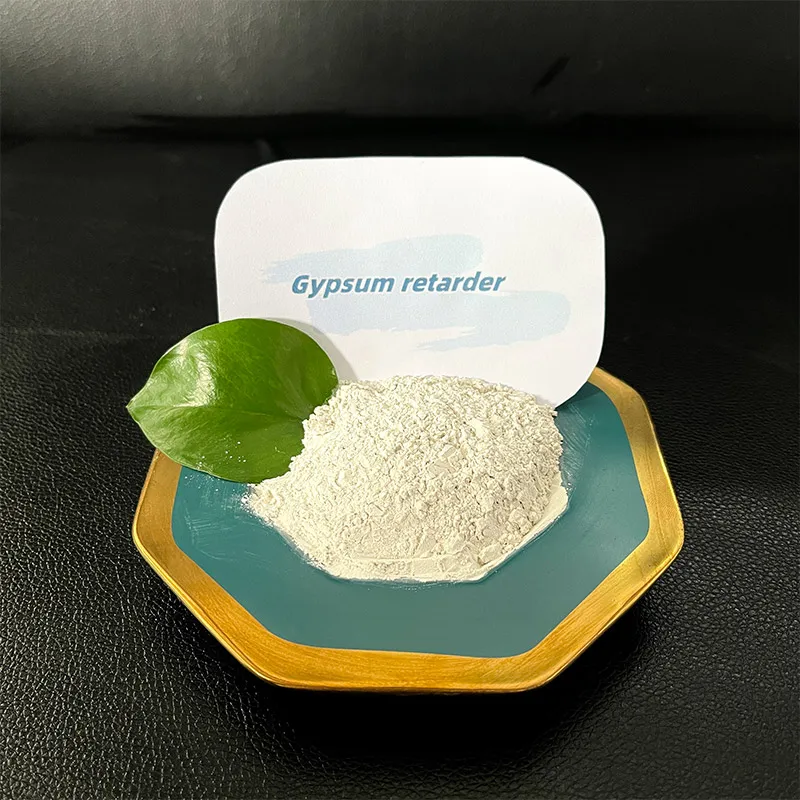


Navigating the Future of Cellulose Ethers: Insights from Bauma China Bauma China, the premier trade fair for construction machinery, building material machines, mining machines, construction vehicles, and equipment, isn't just an exhibition of heavy iron and towering cranes. It's a vibrant nexus where the future of the construction industry is shaped, ideas are exchanged, and groundbreaking material science takes center stage. For B2B decision-makers in the realm of Cellulose export processing and HPMC (Hydroxypropyl Methylcellulose), Bauma China offers an unparalleled opportunity to glean market insights, identify emerging trends, and connect with the top manufacturers driving innovation in the global supply chain. The performance of modern construction materials, from dry-mix mortars to coatings, hinges significantly on advanced additives. Among these, cellulose ethers stand out as indispensable components, particularly in demanding applications requiring precise workability, setting times, and overall durability. Their role in enhancing products like plaster retarder and gypsum retarder solutions is critical for achieving optimal construction outcomes. Industry Trend Spotlight: The Evolving Landscape of Cellulose Ethers The cellulose ether market is experiencing dynamic shifts, driven by a confluence of technological advancements and evolving demands within the construction sector. Several key trends are gaining global attention, signaling a transformative period for manufacturers and buyers alike: Development of Multi-functional and Tailor-Made Cellulose Ethers: Manufacturers are increasingly focusing on producing cellulose ethers that offer more than just a single property enhancement. These advanced materials provide a synergistic blend of thickening, water retention, and rheology modification, precisely formulated for specific applications like self-leveling compounds or high-performance renders. This specialization directly impacts the efficacy of products such as gypsum plaster retarder and other specialty additives, ensuring superior performance. Increasing Demand for Sustainable and Bio-based Additives: With a global push towards greener building practices, the demand for cellulose ethers derived from sustainable sources and offering environmentally friendly profiles is skyrocketing. This aligns with broader industry goals for reduced environmental impact and circular economy principles. Advancements in Formulation Efficiency for Dry-Mix Mortars and Coatings: Innovations in cellulose ether chemistry are leading to products that allow for more efficient formulations, requiring lower dosages while achieving higher performance. This translates to cost savings and improved material properties in a wide array of construction applications. Enhanced Product Performance for Improved Workability and Durability: The continuous evolution of cellulose ethers aims at providing superior workability, open time, adhesion, and crack resistance in finished products. This is particularly crucial for specialized additives like gypsum retarder chemical , where precise control over setting times is paramount for optimal application and curing. Market Data Insights: The global cellulose ether market is projected for steady growth, primarily fueled by the expanding construction sector, particularly in Asia-Pacific. This region’s rapid urbanization and infrastructure development provide fertile ground for increased demand. Furthermore, increasing adoption of green building practices and the growing need for high-performance specialty chemicals will drive market expansion, alongside growth in pharmaceutical and personal care applications. Analysts predict a significant CAGR over the next decade, underlining the robust potential of this sector. Emerging Focus Areas: Key areas of innovation include sustainable construction materials, high-performance building additives, advanced rheology modifiers, solutions for energy-efficient buildings, and green chemistry innovations. These areas underscore the industry's commitment to both performance and planetary well-being, directly impacting the development of next-generation `extra time plaster additive` products and other critical building components. Profiles of Leading Cellulose Export Processing & HPMC Manufacturers China has solidified its position as a global powerhouse in Cellulose export processing and HPMC manufacturing. At Bauma China, these manufacturers showcase their cutting-edge solutions, attracting B2B buyers from across the globe. Here are some of the key players: HeBei ShengShi HongBang Cellulose Technology CO.,LTD. As a prominent name in the industry, HeBei ShengShi HongBang Cellulose Technology CO.,LTD. stands out for its comprehensive expertise in cellulose ether R&D and manufacturing. Their commitment to innovation and quality has positioned them as a reliable partner for diverse industrial sectors. Key strengths include: Comprehensive Expertise: With deep roots in cellulose ether research and development, they bring extensive knowledge to every product, ensuring optimal performance across a spectrum of applications. Consistent Product Quality: A strong emphasis is placed on maintaining consistent product quality and performance across diverse grades of HPMC, ensuring reliability for critical construction applications. This meticulous approach is evident in their top-tier plaster retarder and gypsum retarder products. Robust Technical Support: They provide extensive technical support for application development, helping clients optimize formulations and achieve desired results with their cellulose ethers. This support is invaluable when integrating specialized additives like gypsum plaster retarder . Diversified Product Portfolio: Serving multiple industrial sectors, including construction, coatings, and oil drilling, their portfolio includes a wide range of HPMC grades tailored to specific needs, including superior gypsum retarder chemical and extra time plaster additive solutions. Their dedication to quality and performance makes them a critical supplier for manufacturers seeking reliable and high-performing cellulose ether solutions. Other Global Leaders in Cellulose Ethers: Ashland (USA): A global leader in specialty ingredients, Ashland offers a wide range of cellulose ethers for diverse applications, known for their consistent quality and technical support. DuPont (now IFF - USA): Historically a pioneer in cellulose chemistry, their legacy continues through IFF, providing high-performance HPMC and other derivatives crucial for advanced construction materials. Shin-Etsu Chemical (Japan): Renowned for its high-quality industrial chemicals, Shin-Etsu is a key player in the cellulose ether market, particularly valued for its premium HPMC grades used in demanding applications. Shandong Head Co., Ltd. (China): Another significant Chinese manufacturer, Shandong Head has established itself with a broad portfolio of cellulose ethers, serving both domestic and international markets with competitive and reliable products. Lotte Fine Chemical (South Korea): A prominent chemical company from South Korea, Lotte Fine Chemical produces various cellulose derivatives, catering to global demand with a focus on consistent quality and customer satisfaction. Market Outlook & Opportunities for Cellulose Ethers The future for cellulose ethers, especially HPMC and specialized additives like plaster retarder , looks promising. Upcoming trends and buyer demand are heavily skewed towards efficiency, performance, and environmental responsibility. B2B decision-makers should focus on: Automation and Smart Manufacturing: The integration of automation in cellulose ether production is leading to higher purity, more consistent product batches, and reduced operational costs. Buyers can expect more precisely engineered products, including highly effective gypsum retarder chemical formulations. Advanced Material Science: Continuous R&D into polymer chemistry and material science will yield even more sophisticated cellulose ether derivatives, offering enhanced properties for extreme conditions or highly specialized applications. This means better performing gypsum plaster retarder solutions are on the horizon. Sustainability at the Core: Beyond bio-based sources, manufacturers are exploring ways to reduce energy consumption, minimize waste, and implement closed-loop systems in their production processes. This holistic approach to sustainability will be a major differentiator. Digitalization of Supply Chains: Enhanced transparency, traceability, and efficiency in the Cellulose export processing supply chain will become standard, offering buyers greater confidence and smoother logistics. Opportunities abound for those willing to invest in advanced, sustainable, and high-performance cellulose ether solutions. The demand for materials that contribute to faster, stronger, and greener construction methods is only set to grow. Buyer/Business Takeaways: Strategizing with Chinese Cellulose Ether Manufacturers For B2B decision-makers, understanding and leveraging the strengths of Chinese Cellulose export processing and HPMC manufacturers is crucial for competitive advantage. Why Invest in Chinese Cellulose Ethers? Chinese manufacturers, like HeBei ShengShi HongBang Cellulose Technology CO.,LTD. , offer a compelling combination of competitive pricing, significant production capacities, and increasingly sophisticated R&D capabilities. They are at the forefront of developing specialized additives such as plaster retarder and gypsum retarder tailored for global markets. Their ability to innovate rapidly while maintaining cost-effectiveness makes them indispensable partners. Tips for Adopting or Partnering: Due Diligence: Thoroughly vet potential partners for certifications, quality control processes, and R&D capabilities. Visits to facilities, if possible, can provide invaluable insights. Focus on Long-Term Partnerships: Building strong, enduring relationships with manufacturers fosters mutual growth and ensures consistent supply and customized solutions, especially for complex products like gypsum retarder chemical . Clear Communication: Define specifications, quality expectations, and logistics clearly from the outset to avoid misunderstandings. Technical Collaboration: Engage in technical discussions to explore customized grades or innovative solutions, leveraging the manufacturer's expertise in specific applications like extra time plaster additive . Future-Proof Strategies: Embrace Innovation: Stay abreast of the latest advancements in cellulose ether chemistry and application techniques. Prioritize Sustainability: Align sourcing strategies with your company's sustainability goals by partnering with eco-conscious manufacturers. Diversify Supply Chains: While China offers immense value, consider diversifying sources to mitigate risks and ensure resilience. Conclusion: Bauma China – A Gateway to Cellulose Ether Innovation Bauma China serves as an indispensable platform, showcasing the dynamism and innovative prowess of the global Cellulose export processing and HPMC market. It’s where trends are identified, partnerships are forged, and the future of construction materials, including essential additives like plaster retarder and gypsum retarder , is actively shaped. For B2B decision-makers, engaging with leading manufacturers, particularly those from China, offers a strategic pathway to unlocking superior product performance, supply chain resilience, and sustainable growth. As the construction industry continues to evolve, the demand for sophisticated, high-performance cellulose ethers will only intensify. By understanding market trends and aligning with top-tier suppliers like HeBei ShengShi HongBang Cellulose Technology CO.,LTD. , businesses can ensure they remain at the forefront of innovation and efficiency. Ready to enhance your construction formulations with cutting-edge gypsum retarders? Discover how HeBei ShengShi HongBang Cellulose Technology CO.,LTD. can empower your projects with premium gypsum retarder chemical and extra time plaster additive solutions. Visit Our Gypsum Retarder Product Page
- 40000tons

Production
- 20+years

Experience
- 5000+㎡

Acreage

-
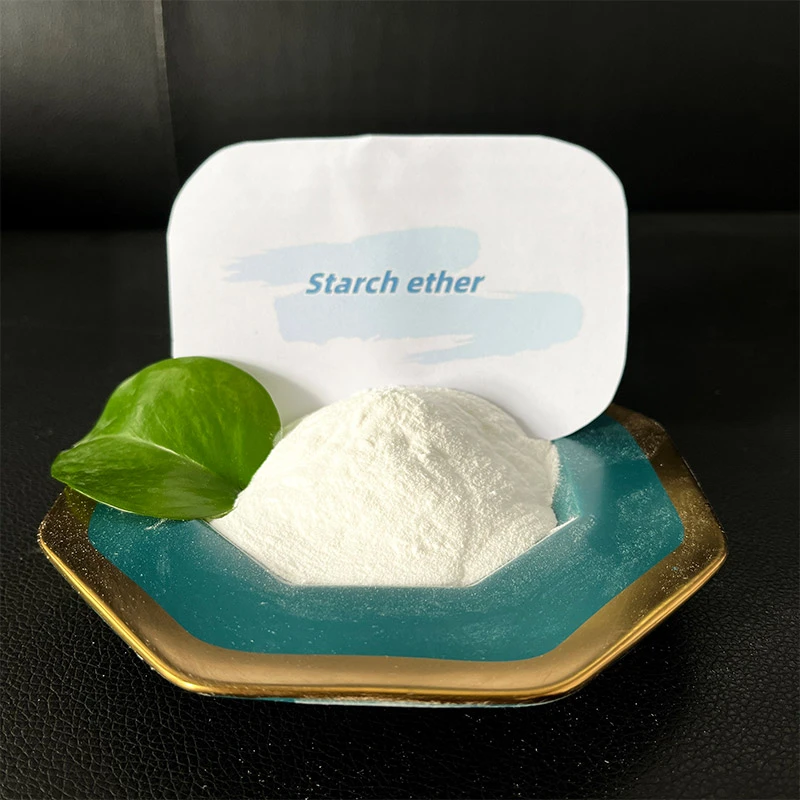
The world of hair care is evolving, with consumers seeking products that not only meet aesthetic desires but also promote overall hair health. One such innovative ingredient that stands out in the hair care market is hydroxypropyl starch phosphate, a modified starch that serves as an exceptional conditioning agent. This article delves into its multifaceted benefits, applications, and why it is gaining traction among hair care enthusiasts and professionals. Hydroxypropyl starch phosphate is derived from natural starch, typically sourced from corn or potatoes. This ingredient undergoes a modification process, which enhances its properties, making it particularly suitable for hair care applications. By altering the starch’s molecular structure, it becomes an effective film-former and stabilizer, endowing hair products with improved texture and performance. From a professional standpoint, hydroxypropyl starch phosphate is praised for its conditioning benefits . It effectively smooths the hair shaft, reducing frizz and enhancing shine. This is achieved by forming a thin film over the hair strands, which not only protects the hair from external aggressors but also locks in moisture. Unlike some synthetic polymers traditionally used in hair care, this modified starch is biodegradable, presenting an eco-friendly alternative that aligns with the growing consumer demand for sustainable beauty solutions. Hair health experts emphasize the importance of hydration and protection in maintaining vibrant hair. Hydroxypropyl starch phosphate contributes to these aspects by preventing moisture loss and shielding hair from thermal damage. Its ability to withstand high temperatures without breaking down makes it an excellent ingredient for products aimed at thermal protection, such as heat protectants and leave-in conditioners. Scientific studies and real-life testimonials corroborate the efficacy of hydroxypropyl starch phosphate in enhancing hair manageability. Users have reported noticeably softer and more manageable hair with continued use of products containing this ingredient. Furthermore, because it is derived from natural sources, it is gentle enough for daily use across various hair types, including chemically treated and sensitive scalps. hydroxypropyl starch phosphate hair In terms of professional formulations, hydroxypropyl starch phosphate’s versatility cannot be overstated. It seamlessly integrates into a wide range of hair care products, from shampoos and conditioners to styling creams and gels. Its compatibility with other common cosmetic ingredients ensures that product efficacy is not compromised, making it a preferred choice for formulators striving to create holistic hair care solutions. Trust and transparency are pivotal in today’s consumer landscape. As a naturally derived ingredient, hydroxypropyl starch phosphate offers a trustworthy option for brands and consumers alike. Its safety profile bolstered by regulatory approvals in major markets, assures users of its quality and efficacy. Additionally, its application in hair care represents a bridge between nature and science, exemplifying how innovative technology can enhance natural ingredients to meet modern beauty standards. Authoritative voices in the beauty industry have recognized hydroxypropyl starch phosphate for its superior benefits compared to traditional conditioning agents. Publications in cosmetic science journals highlight its multifaceted nature, underscoring its crucial role in developing advanced hair care products that cater to a diverse audience with varying hair care needs. For consumers and beauty professionals seeking a reliable, effective, and sustainable ingredient in hair care, hydroxypropyl starch phosphate presents a compelling option. Its ability to deliver consistent performance without compromising on safety makes it a standout choice in an industry where consumers are increasingly mindful of ingredient sourcing and environmental impact. As the quest for healthier, more sustainable hair care options continues, hydroxypropyl starch phosphate represents a step forward. By merging efficacy with environmental responsibility, it embodies the future of hair care, with promising potential for innovation. This ingredient is not just a solution for today’s consumers but a benchmark for tomorrow’s hair care formulations.
-
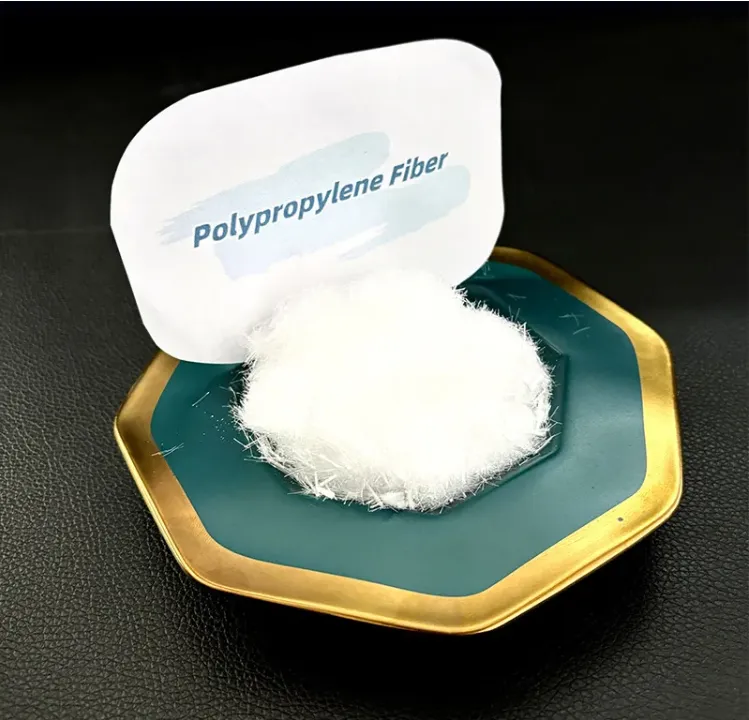
Understanding Cellulose Derived from Wood Cellulose is a vital organic compound that forms the structural component of the primary cell wall of green plants, many forms of algae, and the cell walls of bacteria. It is the most abundant organic polymer on Earth, and its significance cannot be overstated. When we talk about cellulose derived from wood, we are referencing a naturally occurring polysaccharide that plays a critical role in the ecosystem and has numerous applications in various industries. What is Cellulose? Chemically, cellulose is composed of linear chains of glucose molecules linked by β(1→4) glycosidic bonds. This structure provides cellulose with rigidity, making it an essential component of plant cell walls. In trees and other woody plants, cellulose constitutes a significant portion of the biomass. It serves not only for structural support but also plays a vital role in the plant's ability to resist various environmental stresses. The Extraction of Cellulose from Wood The extraction of cellulose from wood typically involves several processes. Wood is primarily made of three components cellulose, hemicellulose, and lignin. Cellulose accounts for about 40-50% of wood’s composition. To isolate cellulose, manufacturers usually go through a series of chemical treatments, including delignification — a process that removes lignin from the wood. This is followed by bleaching to obtain pure cellulose. Applications of Wood-derived Cellulose apa itu selulosa yang terbuat dari kayu Cellulose derived from wood has a plethora of applications across various fields. One of the most common uses is in the production of paper and cardboard. The pulp and paper industry heavily relies on cellulose because it provides the necessary strength and structure to paper products. Moreover, cellulose is also utilized in the textile industry to produce rayon and other fibers, which can be spun into fabric. Furthermore, cellulose has significant applications in food and pharmaceuticals. It is often used as a thickening agent, stabilizer, and dietary fiber in food products. In the pharmaceutical industry, cellulose is employed as an excipient in drug formulations, serving as a filler and binder, which contributes to the effective delivery of active ingredients. Another emerging application of cellulose is in sustainable materials and biofuels. Researchers are exploring ways to convert cellulose into bioethanol, a renewable energy source that can reduce reliance on fossil fuels. Additionally, biodegradable materials made from cellulose are being developed as eco-friendly alternatives to traditional plastics. The Environmental Impact of Cellulose Production While cellulose has many benefits, the production process can have environmental implications. Sustainable forestry practices are crucial to minimize deforestation and maintain ecological balance. Certification systems, such as the Forest Stewardship Council (FSC), ensure that wood is sourced from responsibly managed forests, thereby promoting sustainability within the industry. In conclusion, cellulose derived from wood is an indispensable resource that supports various industries while playing a crucial role in the environment’s sustainability. Its versatility extends from everyday products like paper and textiles to innovative solutions for renewable energy. As industries continue to explore and utilize cellulose, it is imperative to prioritize sustainable practices that protect our valuable forests and ecosystems. Thus, cellulose stands as a testament to nature's ingenuity, providing both structural integrity for plants and a wide array of applications for human use.
advantages
-

200000 Viscosities
Excellent product
We can produce pure products up to 200,000 viscosities
-

40000 tons
High yield
We don’t stop production all year round, and the annual output can reach 40,000 tons
-

24 hours
Quality service
We provide 24-hours online reception service, welcome to consult at any time
———— Inquiry Form
Schedule A services

-
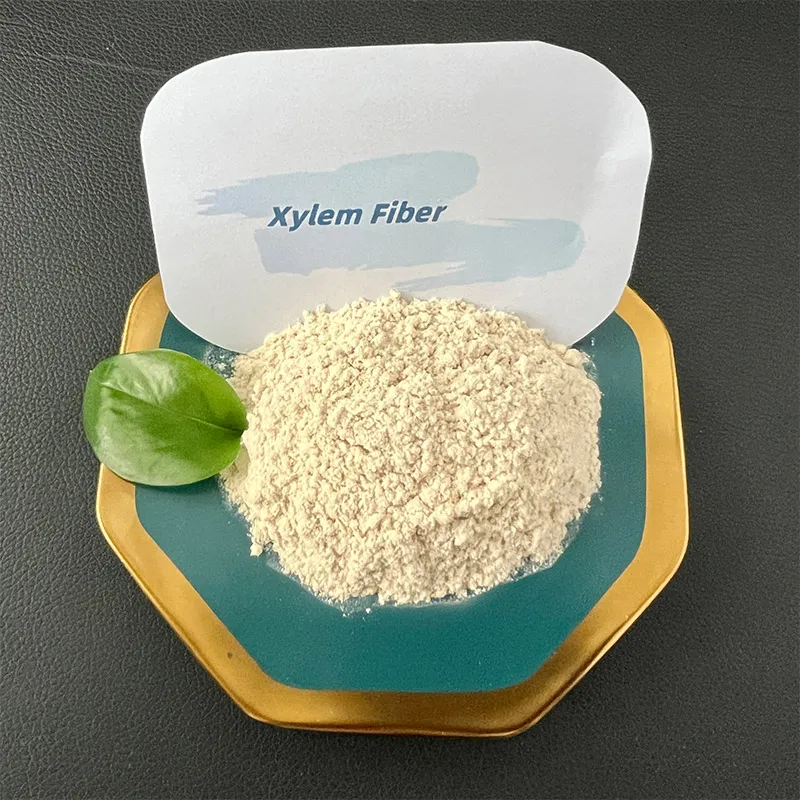 what_are_polypropylene_fibers
Oct . 25, 2025
China, often regarded as the world's factory, boasts an enormous and diverse manufacturing sector th -
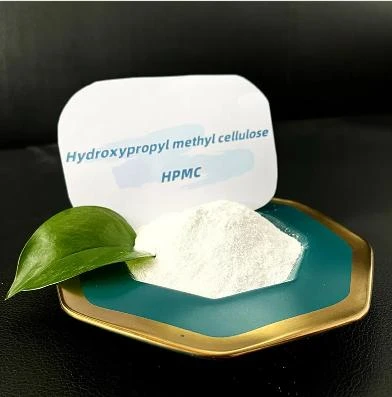 retaine_hpmc_cvs
Oct . 25, 2025
Rubber powder —the micronized particles produced from waste or virgin rubber—has emerged as an essen -
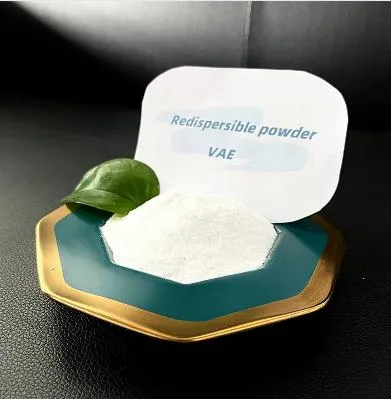 hpmc_enteric_coating
Oct . 25, 2025
Hydroxypropyl methylcellulose (HPMC) is widely recognized as a versatile compound that finds its app


